
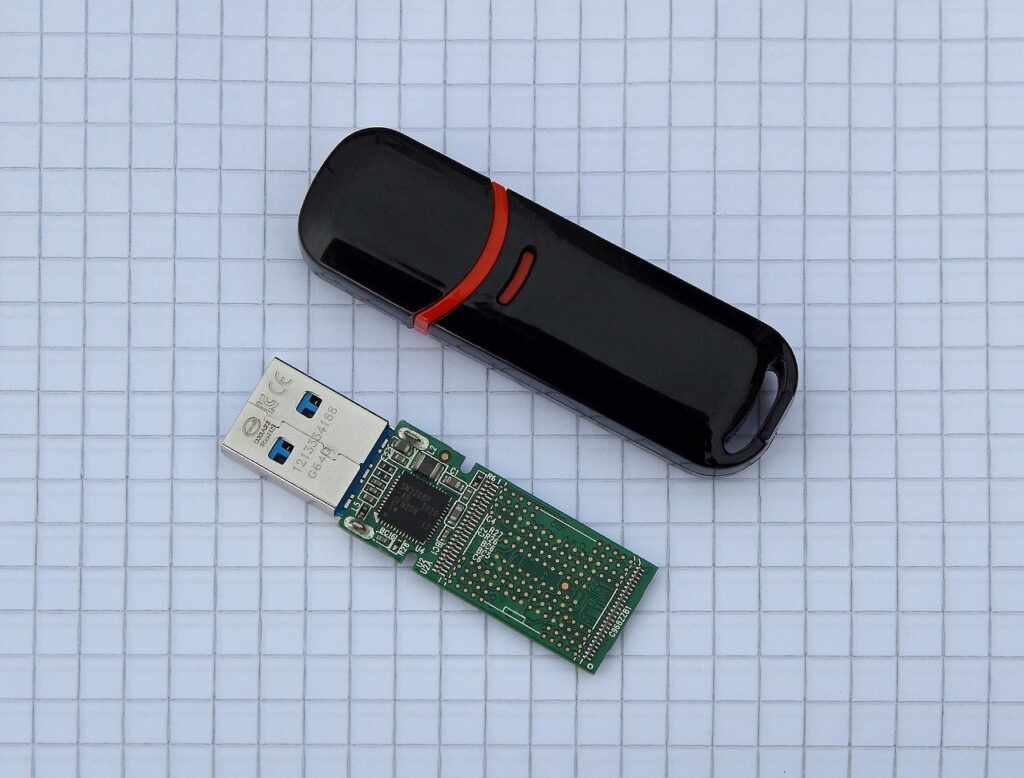
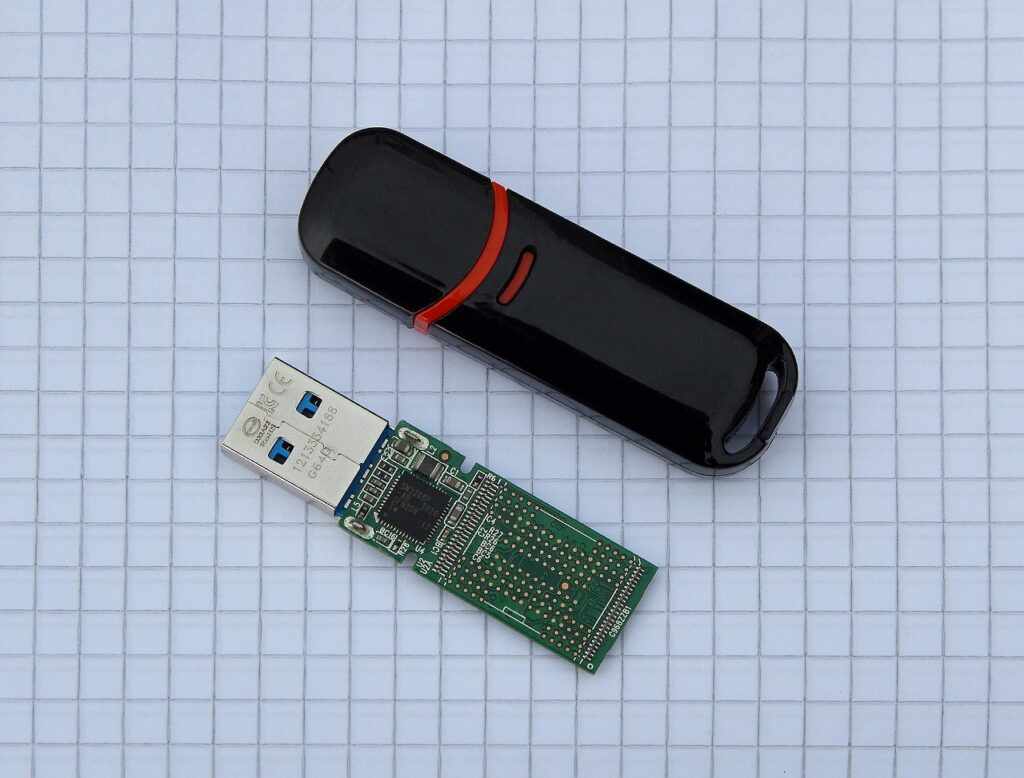
The Nand Flash Memory industry is witnessing transformative growth propelled by demand for high-speed storage solutions in consumer electronics, automotive, and enterprise data centers. This market’s evolution is marked by increased adoption of 3D NAND architectures and expansion in emerging economies, aligning with industry trends emphasizing greater capacity and lower latency.
Market Size and Overview
The Global Nand Flash Memory Market size is estimated to be valued at USD 73.41 billion in 2026 and is expected to reach USD 109.01 billion by 2032, exhibiting a compound annual growth rate (CAGR) of 5.8% from 2026 to 2032.
This Nand Flash Memory Market Forecast reflects robust market growth driven by escalating demand for smart devices and data-intensive applications. Moreover, rising investments in cloud computing and edge storage have widened the market scope and revenue potential. Such market insights underscore considerable business growth prospects coupled with evolving market dynamics that influence regional and segment performance.
Key Takeaways
- Dominating Region: Asia Pacific leads the Nand Flash Memory market, supported by significant manufacturing centers and increased consumer electronics penetration. For instance, in 2025, China’s production capacity expansions contributed substantially to industry size improvements.
- Fastest Growing Region: North America is witnessing rapid growth due to increased adoption in automotive and data center segments, reflecting dynamic market drivers like AI integration and IoT proliferation.
- Market Segments:
- Technology: 3D NAND dominates due to higher density and reliability; however, 2D NAND remains fastest growing in specialized industrial applications, as witnessed with new deployments in 2024 for embedded systems.
- End-User Industry: Consumer electronics remain dominant, with smartphones and tablets leading adoption; enterprise data centers are the fastest growing sub-segment, driven by data storage demands in cloud infrastructure developments in 2025.
- Memory Type: Multi-Level Cell (MLC) NAND holds significant market share, while Triple-Level Cell (TLC) NAND is the fastest growing segment, supported by recent product launches enhancing cost-effectiveness and performance.
Market Key Trends
A defining market trend shaping the Nand Flash Memory landscape is the shift towards advanced 3D NAND technology, which significantly enhances storage density without compromising reliability or speed. In 2024, a major semiconductor manufacturer introduced a 232-layer 3D NAND chip that demonstrates up to 30% more storage capacity compared to previous models. This innovation not only accelerates market growth but also addresses market challenges related to scaling limitations of planar NAND technology. Regulatory support for energy-efficient semiconductor production methods further fuels adoption of cutting-edge memory solutions.
The trend is expected to redefine market dynamics, influencing market companies to prioritize R&D investments and expand product portfolios, enhancing overall market revenue and competitive positioning.
Key Players
The Nand Flash Memory market features multiple prominent market companies actively driving innovation and market growth strategies. Samsung Electronics remains a pivotal market player, investing extensively in 3D NAND production and capacity expansion through new fabrication plants commissioned in 2024 and 2025. Other notable market players include Micron Technology, SK Hynix, Kioxia Holdings, Western Digital, Intel, Toshiba Memory, SanDisk Corporation, and Yangtze Memory Technologies.
These market companies have adopted collaborative partnerships, technology licensing agreements, and strategic expansions in emerging regions to secure supply chain resilience and capitalize on burgeoning market opportunities. For example, recent partnerships facilitating joint ventures in semiconductor wafer fabrication have positively impacted market revenue and industry share.
FAQs
1. Who are the dominant players in the Nand Flash Memory market?
The market is dominated by key industry players such as Samsung Electronics, Micron Technology, SK Hynix, and Western Digital, which lead through innovation and production capabilities.
2. What will be the size of the Nand Flash Memory market in the coming years?
The market size is projected to grow from USD 73.41 billion in 2026 to USD 109.01 billion by 2032, reflecting a CAGR of 5.8%.
3. Which end-user industry has the largest growth opportunity?
Enterprise data centers are the fastest growing end-user segment due to increasing demand for cloud storage and high-speed data access infrastructure.
4. How will market development trends evolve over the next five years?
Market trends indicate a shift towards advanced 3D NAND technology with higher layer counts, improving memory density and performance while meeting energy efficiency goals.
5. What is the nature of the competitive landscape and challenges in the Nand Flash Memory market?
The competitive landscape features intense R&D and capacity expansion activities, facing challenges such as high capital expenditure and component supply chain complexities.
6. What go-to-market strategies are commonly adopted in the Nand Flash Memory market?
Key market players focus on strategic partnerships, technology innovation, regional expansions, and product portfolio diversification to drive market growth and revenue.
‣ Get this Report in Japanese Language: フラッシュメモリ市場
‣ Get this Report in Korean Language: 낸드플래시메모리시장
‣ Read More Related Articles: What Is A High-Quality Mobile App Five Features to Consider
Author Bio:
Money Singh is a seasoned content writer with over four years of experience in the market research sector. Her expertise spans various industries, including food and beverages, biotechnology, chemical and materials, defense and aerospace, consumer goods, etc. (https://www.linkedin.com/in/money-singh-590844163 )

















Write a comment ...